

Best Experience Books for Adults: 10 Titles to Try in 2026
Last Updated: October 23, 2026
Quick Summary
The best experience books for adults pull you fully into another life, place, or way of thinking, so reading feels like living through something rather than watching from a distance. We rank titles by what they do to a reader, not by popularity, and match each one to the experience you want next.
- Three ingredients create the effect: a lived-in voice, a demanding subject, and structure that leaves room to reflect.
- Zen on the Trail by Christopher Ives treats a hike as a pilgrimage rather than a workout.
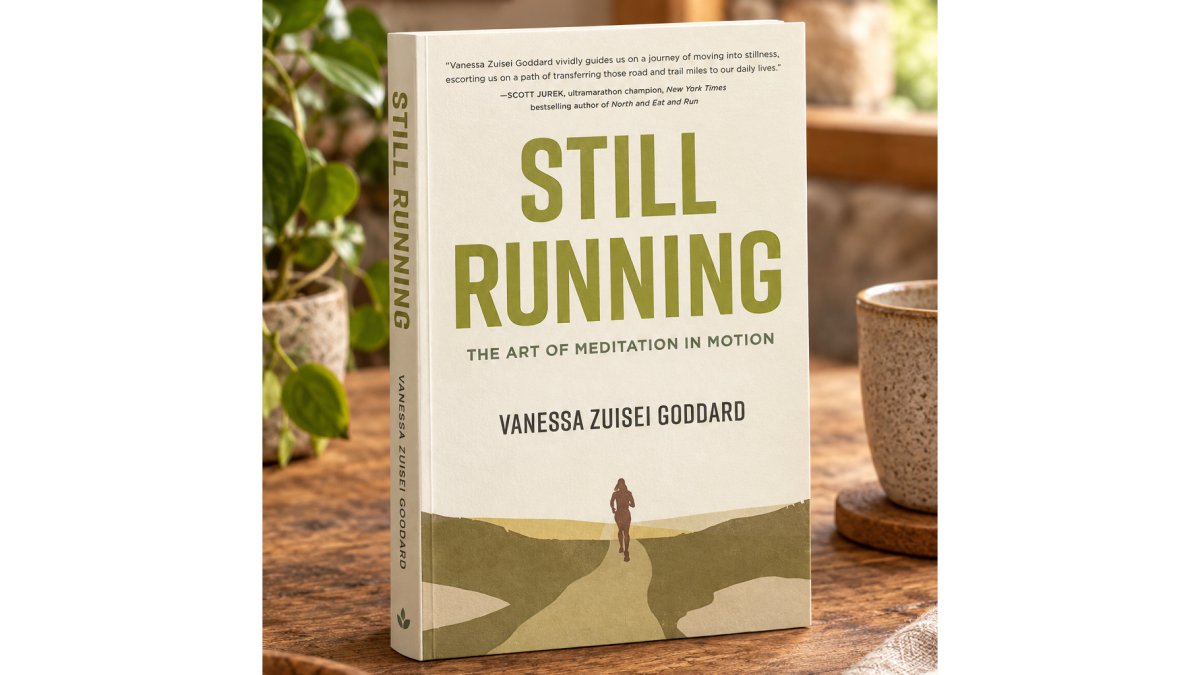
- Still Running by Vanessa Zuisei Goddard offers thirteen running practices, including mantras and visualizations.
- The Mindfulness Workbook for Beginners spans 182 pages of meditations, breathing exercises, and prompts.
- Match the book to the habit, not the aspiration, when choosing a gift for an adult reader.
Table of Contents
- What Makes a Book Feel Like an Experience
- Quick Comparison: Best Experience Books for Adults
- Adventure Books for Adults That Take You Somewhere New
- Must-Read Books for Adults That Shift How You See Things
- Books About Human Experience: Memoir, Movement, and Meaning
- Book Gifts for Adults: How to Match a Title to the Reader
- How We Chose These Experience Books
- Conclusion: Pick the Experience You Want Next
- Frequently Asked Questions
What Makes a Book Feel Like an Experience
The best experience books for adults leave you different on the last page than you were on the first.
An experience book pulls you fully into another life, place, or way of thinking, so reading feels like living through something rather than watching from a distance.
Most recommendation lists rank books by popularity. We rank them by what they do to a reader.
Below, we break down ten titles by the experience you want next, from far-off adventure to quiet self-reflection. Each entry explains who it suits, so you can match a book to a mood, a season, or a person on your gift list.
Quick Comparison: Best Experience Books for Adults
Here is the short version. Scan this table first, then read the sections that match what you are after.
| Title | Experience It Offers | Format | Best For |
|---|---|---|---|
| Zen on the Trail | Slower, more observant walks | Paperback | Readers who want nature and reflection |
| Still Running | Movement as meditation | Paperback | Runners and walkers seeking focus |
| Next Level | Understanding a changing body | Paperback | Active women in midlife |
| The New Menopause | Informed, confident health decisions | Hardcover | Women preparing for appointments |
| Mindfulness Workbook for Beginners | A gentle first step inward | Paperback | Anyone new to mindfulness |
| The Royal Botanic Gardens, Kew Nature Journal | Noticing the natural world | Hardcover | Gardeners and journal keepers |
| Creative Writing Journal | Finding your own voice | Paperback | New and returning writers |
| Draw Every Day, Draw Every Way | A year of daily making | Guided sketchbook | Beginners who freeze at blank pages |
| Color Me Mindful | Quiet, low-pressure coloring | Paperback | Stress relief in short bursts |
| Outside the Box Origami | Focused, hands-on folding | Paperback | Crafters who like a challenge |
Adventure Books for Adults That Take You Somewhere New
Here is how the sub-genres break down, and what each one actually asks of you as a reader.
Expedition and survival narratives. These put you on a mountain, in a life raft, or on a frozen coastline.
Long-distance walking and pilgrimage memoirs. A quieter sub-genre built around a single route walked over weeks or months.
For readers who prefer adventure close to home, the two titles below reframe ordinary movement as a journey. Zen on the Trail: Hiking as Pilgrimage by Christopher Ives treats a hike as a pilgrimage rather than a workout, asking you to notice how you move through the outdoors as much as where you are headed. It includes a prose poem by Gary Snyder. Read a chapter before your next outing and a familiar trail starts to look different.
Still Running: The Art of Meditation in Motion by Vanessa Zuisei Goddard does the same for running.
Must-Read Books for Adults That Shift How You See Things
The must-read books for adults in this category are practical rather than philosophical. They hand you information that changes how you act, a quieter perspective shift, but often a more lasting one.
Next Level: Your Guide to Kicking Ass Through Menopause and Beyond by exercise physiologist and nutrition scientist Dr. Stacy T. Sims, written with Selene Yeager, explains why familiar workouts can feel different during perimenopause and menopause.

The New Menopause by Dr. Mary Claire Haver offers an A-to-Z symptom toolkit and guidance on preparing for midlife wellness appointments.

Books About Human Experience: Memoir, Movement, and Meaning
Books about human experience come in three broad types, and knowing which one you want saves false starts. Memoir and narrative nonfiction let you live inside someone else's story. Fiction lets you inhabit a life that never existed but feels true while you are in it. Guided workbooks and journals ask you to examine your own experience directly.
Fiction as vicarious experience. Novels are the most efficient empathy technology we have.
Guided workbooks and journals. These flip the direction of attention: instead of living inside someone else's experience, you examine your own.
The Mindfulness Workbook for Beginners by Peter Economou, PhD, ABPP, sits at the meeting point of reflection and practice.
Mindfulness Workbook for Beginners by Peter Economou - Paperback →

The Royal Botanic Gardens, Kew Nature Journal takes the opposite approach to attention: instead of looking inward, it sends you outside.
For readers who want to make something rather than record something, Color Me Mindful pairs more than forty coloring pages with mini-meditations built around twenty mindfulness-related words.
Book Gifts for Adults: How to Match a Title to the Reader
Book gifts for adults succeed or fail on one question: does the title match how the person actually spends their time? A beautiful book that asks for an hour of quiet will sit unopened next to someone whose evenings are chaos.
Use this checklist before you buy:
- Does the recipient already run, walk, garden, or draw? Match the book to the habit, not the aspiration.
- Do they prefer doing or reading? Workbook and journal formats suit doers; narrative titles suit readers.
- Is the subject timely for them? A health title lands best when it answers a question they are already asking.
- Will the format survive real use? Hardcover for keepsakes, paperback for bedside tables and bags.
- Does it invite a next step? The best gift books come with an activity attached.
For the friend who writes, the Creative Writing Journal offers more than 25 exercises with space to complete them in the book, plus guidance on structure, style, and tone. For the friend who insists she cannot draw, Draw Every Day, Draw Every Way by Jennifer Orkin Lewis provides undated daily prompts, monthly themes, and a short tutorial at the start of each month. And for the person who likes a challenge, the Outside the Box Origami Book starts with approachable models and builds toward intricate ones.
How We Chose These Experience Books
Our method is simple: start with the experience a reader is chasing, then check whether a title actually delivers it.
First, we look for a clear point of entry: a book that tells you what to do on page one beats one that spends fifty pages explaining why you should care. Second, we check the author's grounding, a PhD, a Zen practitioner with decades of practice, a botanist-backed institution. Third, we consider format and fit, because a workbook too large for a bag or a journal with no structure rarely gets used.
What we do not weigh heavily: bestseller status. A popular title that asks nothing of the reader is not an experience book, however many copies it moved.
We also keep the collection deliberately varied. Some readers want to go somewhere new, some want to understand their own body, some want to make something with their hands. A shelf that serves only one of them is half empty.
Conclusion: Pick the Experience You Want Next
The hardest part is not finding a good book. It is admitting which experience you actually want right now, then choosing the title that delivers it instead of the one that looks impressive on a shelf.
If you want to notice more on your next walk, start with Zen on the Trail. If you want to understand a changing body, start with The New Menopause.
At Elamae, we curate books and creative kits for exactly this kind of choosing, with many products made in the USA and a collection built around discovery rather than volume.
Frequently Asked Questions
What makes a book feel like an experience?
A book feels like an experience when it pulls you out of your own routine, not just your own chair. That usually comes from three things: a strong sense of place, a voice that sounds like someone talking to you, and a subject that asks you to notice something you normally walk past. A running meditation like Still Running, for example, turns a familiar activity into something to pay attention to. The test is simple: if you finish a chapter and want to try, go, or look at something differently, the book did its job.
What is a good adventure book for adults who don't usually read adventure?
Start with adventure that happens at walking pace rather than expedition scale. Zen on the Trail by Christopher Ives treats hiking as a pilgrimage and focuses on what you notice along the way rather than on reaching a summit, which makes it approachable for readers who skip survival epics. Pair it with a short outing on a local trail and the reading becomes practice instead of homework. Readers who want movement they already do will get more from Still Running, which builds its thirteen practices around running.
How do I choose a book as a gift for an adult?
Match the book to a habit the person already has, not to a hobby you wish they had. If she runs, Still Running fits. If she keeps a garden or walks the same park every morning, the Kew Nature Journal gives her somewhere to record it. If she is navigating a health transition, The New Menopause by Dr. Mary Claire Haver offers an A-to-Z symptom toolkit and questions to bring to appointments. Books tied to something the reader already does get opened; books tied to an aspiration often sit on the shelf.
What kinds of books help adults explore new perspectives?
Two kinds do most of the work. Memoir and narrative nonfiction let you borrow someone else's lived experience, which builds empathy and self-reflection faster than advice books. Guided workbooks do the opposite: they ask you to examine your own perspective directly. The Mindfulness Workbook for Beginners by Peter Economou pairs step-by-step meditations with writing and drawing prompts on values, gratitude, and compassion, so the reflection happens on the page rather than in the abstract. Alternating between the two keeps reading from turning into passive consumption.
Are experience books a good alternative to self-care subscriptions?
They serve a different purpose. A subscription arrives on a schedule; a book waits until you have twenty minutes. That makes books easier to fit into a chaotic week and easier to return to, since you can open to any chapter without losing progress. They also cost less per use over time. If the goal is to notice more and try more, a workbook you write in or a journal you fill across four seasons builds a record you can look back on, which most subscription boxes do not.
Most readers do not need another bestseller list. They need one book that fits the life they actually have this month. Elamae is a women-owned small business offering a curated selection of experience books, creative kits, jewelry, and accessories designed to inspire discovery and joy, with many products made in the USA. Shop Elamae and find the title that turns an ordinary evening into something worth remembering.
