

Tips for Finding Meaningful Gifts People Actually Keep
Last Updated: November 14, 2026
Quick Summary
The most reliable tips for finding meaningful gifts begin with observing instead of asking, noting what people actually use and the small frustrations they repeat. Research from Yale School of Management found givers favor attractive, impressive gifts while recipients favor practical ones, so choose the most fitting gift rather than the most striking one.
- Keep a running note on your phone recording one detail per conversation for each person you buy for.
- Match the gift to the stage of the relationship rather than to the occasion.
- Set a budget before you shop and let your observation list do the choosing.
- Ask whether the item will be used within a month and whether the recipient has a place for it.
- Regift only items that are new, unopened, and suited to the new recipient, never within the same social circle.
Table of Contents
- Start by Observing Instead of Asking
- The Psychology of Gift Giving and Why It Matters
- Thoughtful Gift Ideas That Fit Real Life
- Meaningful Gifts for Friends at Every Stage
- How to Give a Gift to a Friend With Sincerity
- Avoiding Clutter, Waste, and Over-Personalization
- Shop Elamae for Gifts Built Around Noticing and Experience
- Frequently Asked Questions
Start by Observing Instead of Asking
The most reliable tips for finding meaningful gifts begin with watching, not asking. Observation reveals what people actually use, what they keep, and what quietly frustrates them.
The best gift ideas rarely arrive through direct questions. They surface in offhand comments, in the objects someone reaches for daily, and in the small complaints they repeat without thinking.
Here is a simple method to try:
- Keep a running note on your phone for each person you buy for.
- Record one detail per conversation: a hobby, a frustration, a thing they admired.
- Review the list before any occasion arrives.
A common mistake is waiting until the week before a birthday to start paying attention. By then, the casual signals are gone.
What to Notice in Everyday Conversation
Listen for the phrases that signal a real preference: "I wish I had," "I keep meaning to try," and "I never got around to." These are honest openings, not requests. Behavioral scientists at Yale School of Management's gift-giving research have examined how these everyday preferences shape what recipients actually value.

The Psychology of Gift Giving and Why It Matters
The psychology of gift giving explains a persistent gap: givers and recipients want different things from the same exchange. Understanding that gap is the fastest route to a gift that gets used rather than stored.
Givers Favor Attractive, Recipients Favor Practical
Research from behavioral scientists at Yale School of Management found that givers tend to favor attractive, impressive gifts while recipients tend to favor practical ones.
The Greater Good Science Center at UC Berkeley describes research-based guidance on choosing gifts that strengthen relationships rather than simply impress.
That reframes the whole task. Instead of hunting for the most striking object, look for the most fitting one.
Thoughtful Gift Ideas That Fit Real Life
Thoughtful gift ideas share one trait: they slot into a life that already exists.
A useful rule of thumb is to match the gift to the time someone actually has.
If you are shopping for a creative friend, our guide to 9 small gifts a creative friend will actually use narrows the field to items with a real purpose. Practicality is not the enemy of sentiment.
Meaningful Gifts for Friends at Every Stage
Meaningful gifts for friends should match the stage of the relationship, not just the personality. A new friendship calls for something light and low-pressure.
A useful way to calibrate is to ask what the recipient would feel comfortable giving you in return.
Think in tiers:
- New friends (under a year): consumables, a good book, a small useful object. Low cost, low obligation, easy to accept.
- Close friends (shared history, regular contact): something tied to a shared memory or ongoing interest. This is where inside references earn their keep.
- Lifelong friends: a piece with lasting meaning, worn or displayed, that references the length of the bond.
A friendship-themed piece can work beautifully in the middle tier, where the gesture is warm but not overwhelming. Our friendship cat collar bracelet set is one example of a gift that carries shared meaning without demanding a big occasion.
Best for: friends who value a small, wearable reminder of the bond. Skip if: the friendship is brand new and a symbolic gift would feel too heavy.
Watch out: the tier system breaks down when you guess at closeness from frequency of contact alone.
Gifting Across Different Relationship Stages
The same logic scales to partners and family, where the stakes and the signals differ.
- New partners: experiences and consumables reduce the risk of a mismatched object. A shared outing creates memory without committing shelf space.
- Long-term partners: the gift should reference something specific from the shared timeline. Generic romance reads as autopilot.
- Parents and siblings: practical gifts often outperform sentimental ones, because the relationship already carries sentiment and doesn't need more of it.
A common pattern is that people over-gift in new relationships and under-gift in old ones. The fix is the same in both directions: let the observation list, not the occasion, set the size of the gesture.
Match the gift to the stage of the friendship rather than to the occasion.
| Relationship stage | Gift approach | Watch out |
|---|---|---|
| New friends (under a year) | Consumables, a good book, a small useful object | Low cost, low obligation, easy to accept |
| Close friends | Something tied to a shared memory or ongoing interest | Inside references earn their keep |
| Lifelong friends | A piece with lasting meaning, worn or displayed | References the length of the bond |
| Friends in transition | Acknowledge the change, not pretend it isn't happening | Move, new job, or loss |
| New partners | Experiences and consumables reduce mismatched-object risk | Shared outing creates memory without shelf space |
| Long-term partners | Reference something specific from the shared timeline | Generic romance reads as autopilot |
| Parents and siblings | Practical gifts often outperform sentimental ones | Relationship already carries sentiment |
| In-laws and extended family | Ask the person closest to them for one concrete detail | Guessing is where awkward gifts originate |
How to Give a Gift to a Friend With Sincerity
Knowing how to give a gift to a friend matters as much as what you choose.
Write one sentence about the recipient, not the object. "I noticed you always reach for the good pen" says more than "I hope you like it." Keep the moment brief and let the gift speak.
If presentation matters to you, our guide on how to choose custom gift wrapping for women covers how to finish the gesture without overdoing it.
Handling Gift-Giving Anxiety and Budget Pressure
Gift-giving anxiety usually comes from two places: fear of getting it wrong and pressure to spend more than feels comfortable. Both ease when you set a budget first and let the observation list do the choosing. A modest gift that fits someone's actual life outperforms an expensive guess every time. Decide the number before you shop, then stay inside it.
Avoiding Clutter, Waste, and Over-Personalization
Clutter is the quiet failure mode of gift giving. The antidote is a mindful approach: fewer objects, better chosen, tied to use rather than display. TIME's summary of gift-giving research cautions against excessive personalization, and that warning is worth taking seriously. A monogrammed item that misses the mark is harder to pass along than a simple one that almost worked.
Ask three questions before buying:
- Will this get used within a month?
- Does the recipient have a place for it?
- Would they choose it themselves?
If the answer to any of these is no, the gift is probably clutter in waiting.
The Ethics of Gift Giving: Waste, Returns, and the Zero-Waste Option
Most gift guides stop at "don't buy junk." The harder question is what happens to a gift after the exchange, and that is where an ethical framework earns its place.
A large share of returned and unwanted gifts end up in landfill rather than in a second home, and the packaging around them often can't be recycled curbside. That reality has pushed a growing number of gift-givers toward zero-waste and low-waste options. The principles are simple:
- Choose consumables over objects. Food, tea, soap, seeds, and candles get used up and leave nothing behind.
- Choose experiences over things. A class, a membership, or a shared outing creates a memory without adding to a shelf.
- Choose digital over physical where it fits. A subscription, an audiobook, or a course delivers value with no packaging and no shipping footprint.
Watch out: "eco-friendly" on a label is not a standard. Look for specific claims, recycled content, refillable design, compostable packaging, rather than a green icon.
Over-Personalization and the Regifting Question
Personalization is a spectrum, and the sweet spot is narrower than most people assume. A name on a notebook is low-risk.
Regifting gets a bad reputation, but a well-chosen regift is just a gift finding its right recipient.
If you want to build the habits behind this, our guide to mindful living habits for women covers low-clutter routines that make gifting simpler.
Shop Elamae for Gifts Built Around Noticing and Experience
The throughline in all of this is attention. Meaningful gifts are evidence that someone was paying close attention, and that is the standard we build around at Elamae.
A few pieces that fit the observation-first approach:
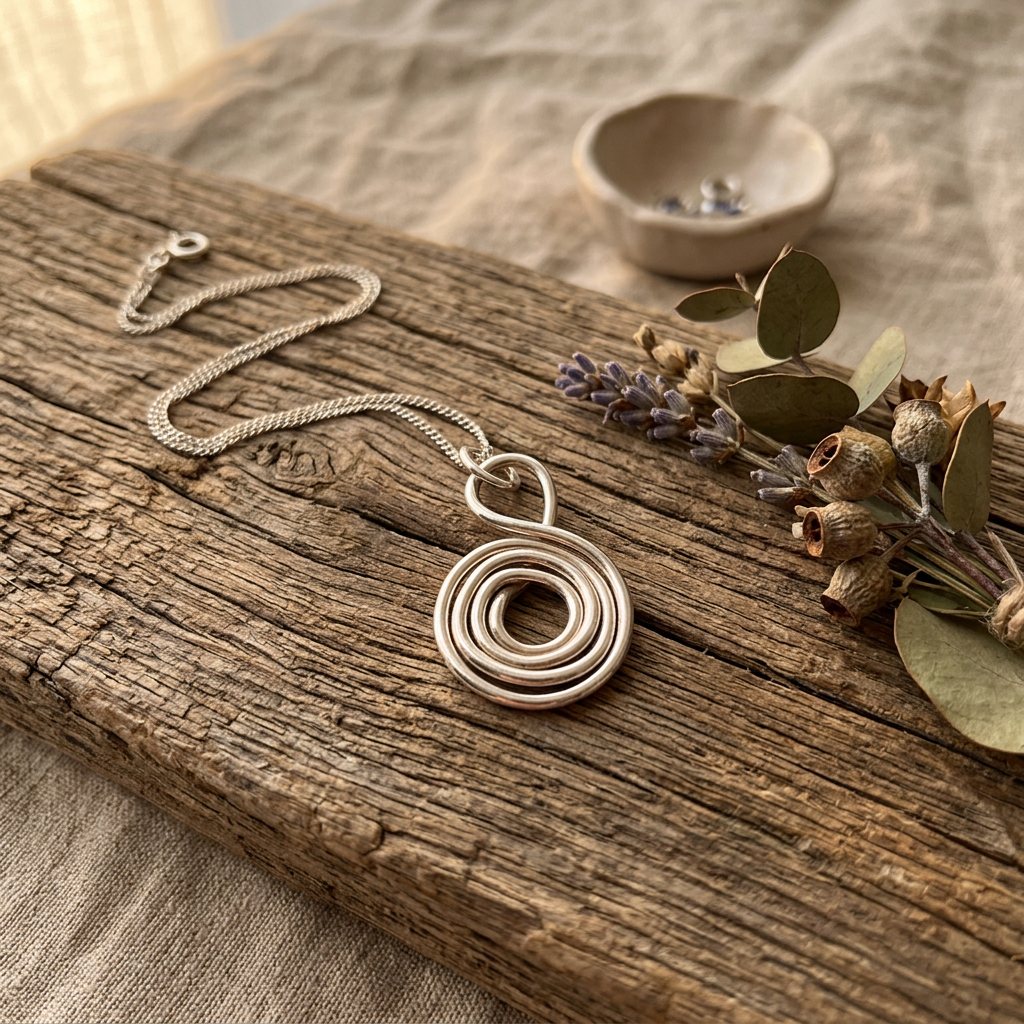
- The Gratitude Necklace in sterling silver or 14K gold filled, a wearable reminder to notice what is already good.
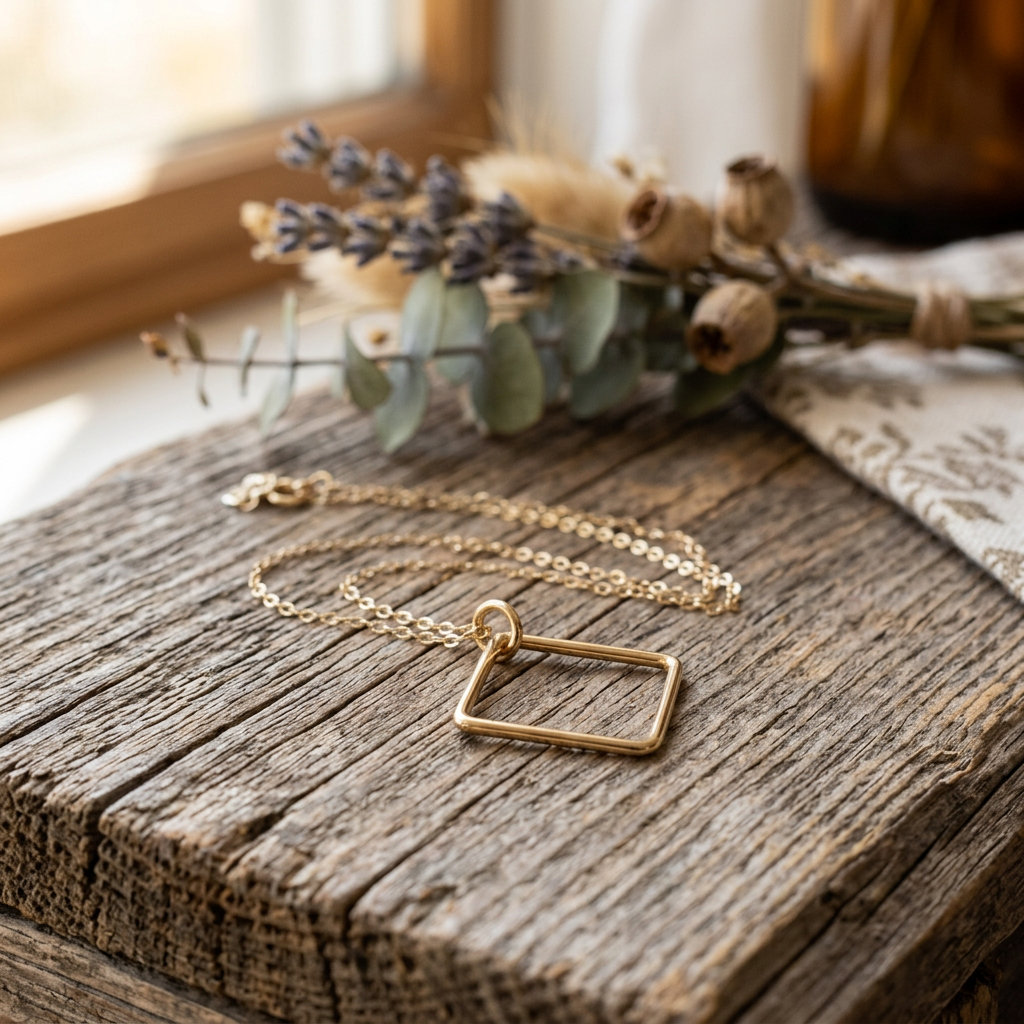
- The Box Breathing Necklace, a tactile pendant for a four-part breathing practice.
- The Get Growing Garden in a Bag Kit, which pairs a growing project with a mindfulness journal.
For the friend who likes to write things down, the Travelers Notebook USA Made fits the same experience-led angle.

The hardest part of gifting is not shopping. It is slowing down enough to notice what someone actually reaches for.
Frequently Asked Questions
What makes a gift meaningful?
A meaningful gift shows the recipient you noticed something specific about them, not that you spent the most money. Givers often favor attractive gifts while recipients often favor practical ones, so aim for something the person will actually use or experience. Pairing a small, useful object with a note explaining why you chose it often lands better than a grand gesture, because it connects the gift to a real moment in their life.
How do you find a thoughtful gift without asking what they want?
Pay attention to small comments: a book they mentioned, a hobby they keep returning to, a comfort item they reach for daily. Keep a running list on your phone so you are not scrambling before an occasion. The psychology of gift giving suggests observation beats interrogation, because a surprise that reflects something they said weeks ago feels more personal. If you must ask, ask about their routines and interests rather than requesting a wish list.
What is the 5 gift rule and does it help?
The 5 gift rule is a budgeting framework that caps a gift list at five items, often framed as something they want, need, wear, read, and a bonus experience. It works as a checklist to prevent overspending and clutter, especially for close family. For friends, a looser version helps: one useful item, one consumable or experience, and a handwritten note. The rule is a guide, not a requirement, and a single well-chosen meaningful gift can beat five forgettable ones.
How can I give a useful gift without it feeling impersonal?
Attach the utility to something personal. A mindfulness workbook becomes personal when you mention the stressful season they are navigating. A garden kit lands better when you note how much they loved their grandmother's tomato plants. Practical gifts feel impersonal only when they arrive with no context. Add a short note explaining the connection, and choose items tied to their hobbies, preferences, or lifestyle rather than generic household staples.
What are some thoughtful gift ideas for friends who already have everything?
Move toward experiences and consumables instead of objects. Creative kits, gardening projects, a guided journal, or a piece of jewelry with a specific meaning all take up little space while adding something to a daily routine. A sterling silver gratitude necklace at $88.00 or a box breathing ring at $45.00 gives a friend a small ritual rather than another item to store. Pair it with a note about why you thought of them.
How do I stop gift-giving from becoming clutter?
Ask whether the gift has a use, a place, or a moment attached to it. Consumables, experiences, and items tied to an existing hobby are less likely to sit unused. Heavily customized items can miss the mark, so overdoing personalization is worth avoiding. If you are unsure, choose something the recipient can use up, do, or wear regularly, and skip anything that requires them to rearrange their home.
